Missouri voters recall councilman over AI data center vote
Independence, Missouri, voters recalled Councilman John Perkins by a 68% margin on September 1, five months after he backed $150.6 billion in bonds for a Nebius AI data center — part of a nationwide wave of recalls against data-center-friendly officials.
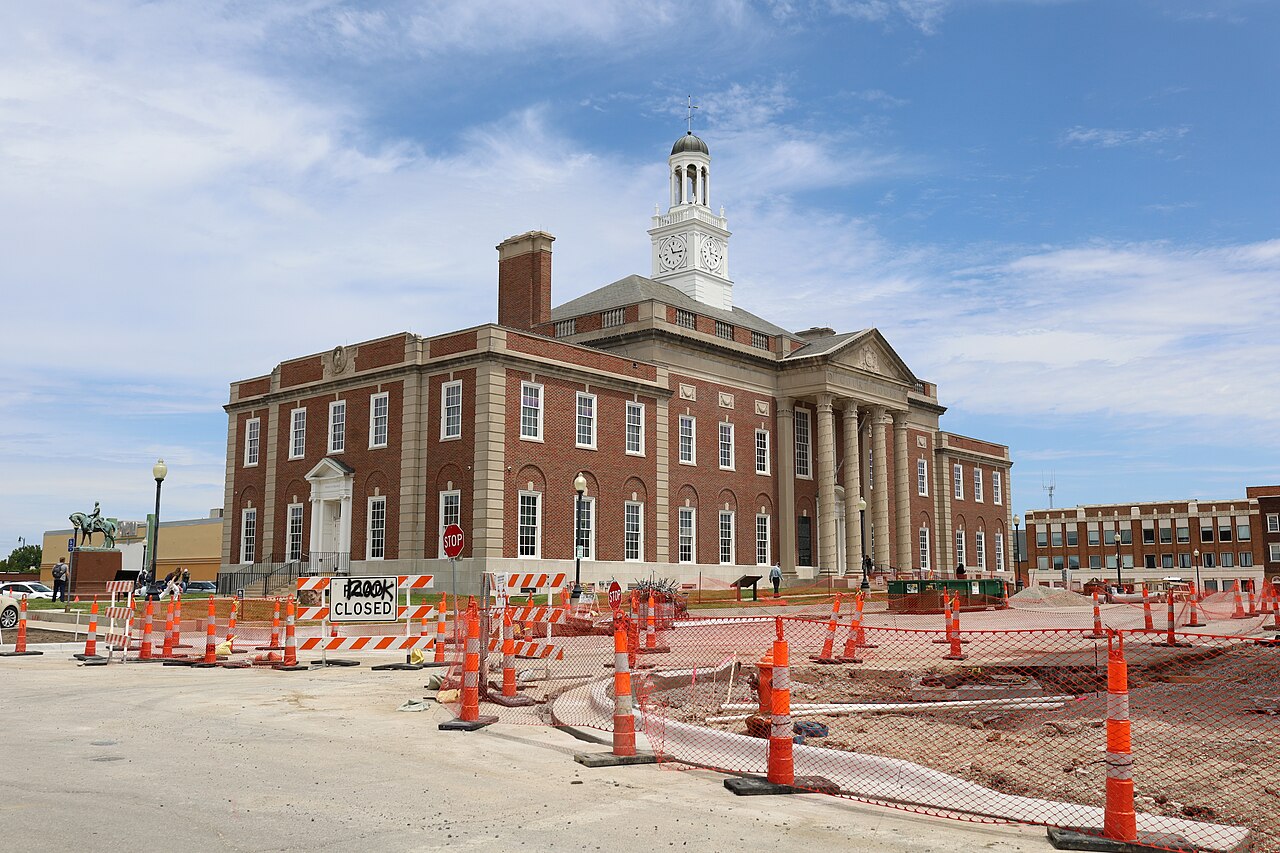
Voters in the northwest corner of Independence, Missouri, recalled City Councilman John Perkins on September 1, 2026, with 68.05% of ballots cast in favor of removing him from office, the city confirmed once all precincts had reported. Perkins, who has represented the city's 1st District since 2016, was targeted over a vote five months earlier to grant tax incentives to a Dutch company's AI data center — the most decisive result yet in a wave of American recall campaigns aimed squarely at officials who approved AI infrastructure projects.
The recall reached the ballot after organizers gathered signatures from 8% of registered 1st District voters, following months of yard signs for and against Perkins lining the drive to polling locations. The special election, held only in the 1st District, cost the city roughly $164,400 to run. "Based on the unofficial results of today's special election, voters in the First District have voted to recall Councilmember John Perkins," the city said Tuesday night, adding that the recall becomes effective once the results are certified, which triggers a new special election to fill the seat. Perkins told local station KCTV he had not expected the recall to go this far, and said afterward he would not fight the outcome — though he stood by the vote itself. "This is going to be an economic benefit to the city that will have long lasting, economic benefits," he said. "I have laid foundations that have never been laid before."
A $150 billion bond package split a city
Perkins was one of five Independence council members who voted 5-2 in March to approve a package letting Nebius, a Dutch AI-cloud company, build a 2.1-million-square-foot "AI factory" on roughly 400 acres (about 162 hectares) off Little Blue Parkway and Highway 78. The council authorized $150.6 billion in taxable industrial development revenue bonds — a Missouri financing tool that let Nebius skip real-estate, personal-property and sales taxes on construction — in exchange for $651 million in payments in lieu of taxes over 20 years, worth more than $30 million a year to a city general fund that currently averages about $85 million annually. The vote followed a nearly four-hour public hearing at which more than 60 residents spoke for and against the project.
What drove the opposition was less the tax break itself than the resource strain. The Nebius campus is expected to draw roughly 800 megawatts of power at full build — about three times what Independence currently generates on its own — and residents worried openly about water use, noise and property values so close to two elementary schools. "It's more energy, more heat, more noise and a long-term environmental impact in a valley where residents live today," resident Daniel Moorehead told the council before the March vote. Nebius has since said it will source its electricity from a separate, privately financed power plant rather than draw on Independence Power and Light, and will run a closed-loop cooling system using far less water than other hyperscale data centers already operating in the Kansas City area for Meta and Google. Supporters countered that the project — years of construction jobs plus about 125 permanent positions — was too valuable to turn down. "Failure to allow this project to proceed will keep our city in a deficit," resident Terry Martel argued at the hearing.
We want people to know they can hold their elected officials accountable. We just hope people in other communities see that our elected officials are here to serve us. When that's not happening, we have very few tools we get to use, but they are tools that we are allowed to use, and sometimes a recall is one of them.
Part of a nationwide pattern
Perkins is now the third of the five council members who backed the Nebius deal to lose his seat — two others had already been voted out in separate elections before Tuesday's recall, according to Talking Points Memo's count. Missouri's attorney general, Catherine Hanaway, has said her office is "watching very closely to see if misrepresentations are being made to the public about how much water or how much energy will be consumed" by data centers, and state lawmakers have filed bills that would force data center operators, rather than neighboring ratepayers, to cover their own utility costs.
Independence is far from alone. As of early July, according to Ballotpedia data reported by Newsweek, as many as 58 local officials across seven states — Oklahoma, Missouri, Michigan, Texas, California, Arizona and Wisconsin — had faced recall petitions tied to data center decisions in 2026 alone, and environmental activist Erin Brockovich says her community tracking map has logged more than 8,000 complaints about the industry nationwide. Recent examples include:
- In Yukon, Oklahoma, Vice Mayor Jeff Wootton resigned in June rather than face a recall vote triggered by a data-center land sale.
- In Augusta Township, Michigan, residents petitioned to recall board members who rezoned farmland for a data center, arguing voters should have decided directly.
- In Imperial County, California, a recall targets the board chair who approved a lot merger that cleared the way for a data-center project.
- In San Angelo and Temple, Texas — a state actively courting hyperscale investment — council members are fending off their own recall drives.
The tension runs in two directions at once nationally. The Trump administration has argued that a faster data center buildout is essential for the United States to stay ahead of rivals such as China in the race to dominate AI, even as that same buildout is what is fueling local backlash over electricity bills, water supplies and noise from Missouri to Michigan to Arizona.
What this changes for American communities and companies
For local officials and companies weighing an AI data center anywhere in the country, Independence is now a cautionary case study: a lopsided council vote and a nine-figure incentive package can still be undone at the ballot box within months, and voters increasingly know the legal tools to do it. City governments negotiating with hyperscale developers face growing pressure to lock in enforceable, public commitments on power sourcing, water use and utility-rate protection before a vote — not after residents start reading their bills. And developers should expect that a tax abatement alone will not buy lasting political goodwill in the community hosting their servers; the companies making the most headway, like Nebius promising a separate power plant and closed-loop cooling, are the ones negotiating those safeguards up front.
Sources
- Independence voters recall councilman tied to data center tax voteKCTV5 · September 2, 2026
- Independence approves hyperscale AI data center, issues $150 billion in bondsKSHB 41 · March 3, 2026
- Data centers spark dozens of recall petitions against local officialsNewsweek · July 8, 2026
- Local Pol Bounced Hard Over Data CenterTalking Points Memo · September 2, 2026